
Athlete Meal Strategies: Effective Meal Planning for Athletes
- MUHAMMAD KHAN
- 8 hours ago
- 3 min read

Eating right is a game changer when it comes to performance. I’ve learned that athlete meal strategies are not just about eating healthy but about eating smart. When you fuel your body properly, you boost energy, speed up recovery, and improve overall results. Let’s dive into how to plan meals that work for athletes like us.
Why Athlete Meal Strategies Matter
You can’t expect to perform your best without the right fuel. Your body needs a balance of nutrients to power through workouts and competitions. I focus on athlete meal strategies that provide:
Energy for training and daily activities
Muscle repair after intense sessions
Immune support to stay healthy
Hydration to maintain focus and endurance
Without these, you risk fatigue, injury, and slower progress. Meal planning helps me stay consistent and avoid last-minute poor food choices.
Building Blocks of a Winning Meal Plan
A solid meal plan includes the right mix of macronutrients and micronutrients. Here’s what I focus on:
Carbohydrates: The Primary Fuel
Carbs are the main energy source. I choose complex carbs like:
Brown rice
Quinoa
Sweet potatoes
Whole grain bread
These release energy slowly, keeping me fuelled longer. Before workouts, I eat simple carbs like fruit or a small smoothie for quick energy.
Protein: Muscle’s Best Friend
Protein helps repair and build muscle. I aim for lean sources such as:
Chicken breast
Turkey
Fish
Eggs
Plant-based options like lentils and chickpeas
I spread protein intake evenly throughout the day to maximise muscle recovery.
Fats: Essential and Energising
Healthy fats support hormone production and brain function. I include:
Avocados
Nuts and seeds
Olive oil
Fatty fish like salmon
These fats keep me feeling full and support long-term energy.
Vitamins and Minerals: The Unsung Heroes
Micronutrients keep everything running smoothly. I eat plenty of colourful veggies and fruits to get:
Vitamin C for immune health
Iron for oxygen transport
Calcium for strong bones
Magnesium for muscle function
Hydration: Don’t Forget Water
Water is crucial. I drink plenty throughout the day and add electrolytes during intense sessions to stay balanced.
How to Structure Your Day with Athlete Meal Strategies
Timing matters just as much as what you eat. Here’s a simple daily plan I follow:
Breakfast: Kickstart Your Metabolism
I start with a mix of carbs and protein. For example:
Oats with berries and a scoop of protein powder
Whole grain toast with avocado and eggs
This combo fuels my morning and preps me for training.
Pre-Workout Snack: Quick Energy Boost
About 30-60 minutes before training, I eat something light and carb-rich, like:
A banana
A small smoothie with fruit and yogurt
This gives me the energy to push hard.
Post-Workout Meal: Recovery Time
After training, I focus on protein and carbs to repair muscles and replenish glycogen. My go-to is:
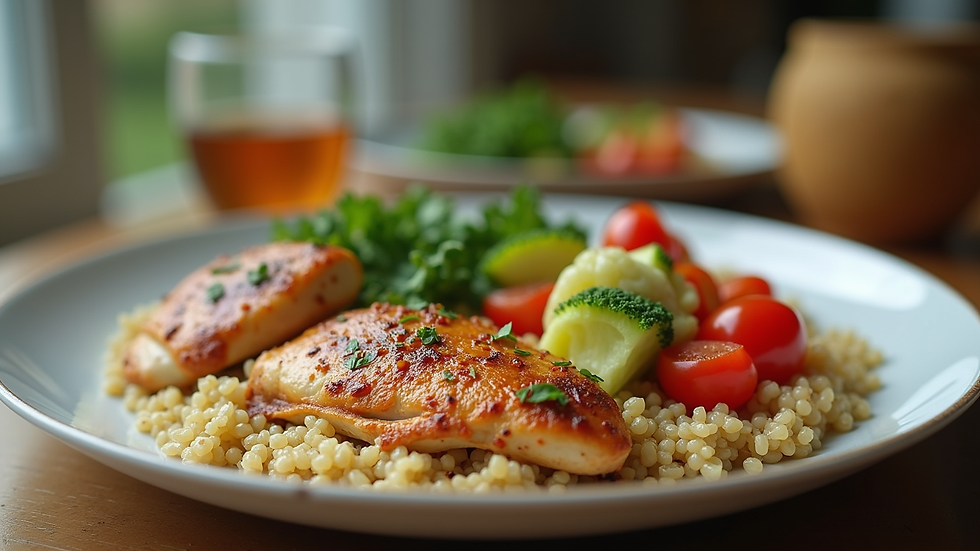
Grilled chicken with sweet potato and steamed broccoli
A protein shake with a piece of fruit
Lunch and Dinner: Balanced and Nutritious
I keep these meals balanced with lean protein, complex carbs, and plenty of veggies. For example:
Salmon with quinoa and asparagus
Turkey chili with brown rice and mixed greens
Snacks: Keep Energy Steady
Healthy snacks help avoid energy dips. I choose:
Greek yogurt with nuts
Hummus with carrot sticks
A handful of almonds
Tips for Successful Meal Planning
Planning ahead makes all the difference. Here’s what I do to stay on track:
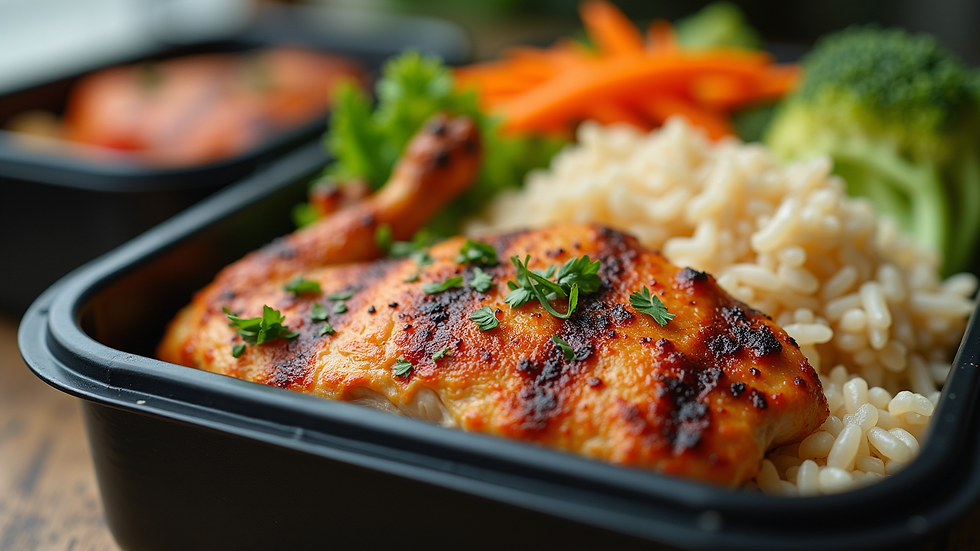
Prep meals in bulk on weekends to save time
Use a meal planner app or journal to track what I eat
Keep healthy snacks handy to avoid junk food
Experiment with recipes to keep meals exciting
Adjust portions based on training intensity and goals
Common Mistakes to Avoid
Even with the best intentions, it’s easy to slip up. Watch out for these:
Skipping meals, which leads to energy crashes
Overloading on protein but neglecting carbs and fats
Ignoring hydration needs
Eating too close to workouts, causing discomfort
Relying on processed foods instead of whole foods
How I Use Meal Planning for Athletes to Stay on Track
I found that using resources like meal planning for athletes helps me stay organised. They offer tailored advice and recipes that fit my training schedule. Plus, having a plan reduces stress and keeps me motivated.
Fuel Your Performance Every Day
Effective meal planning is a powerful tool. It’s not about perfection but consistency. When you focus on balanced meals, proper timing, and hydration, you set yourself up for success. Remember, your body is your engine - feed it well, and it will perform at its best.
Start small, plan smart, and watch your energy and results soar. Your dream physique and peak performance are within reach!
Comments